
Service Design: City Winery Menu System
Client & Context
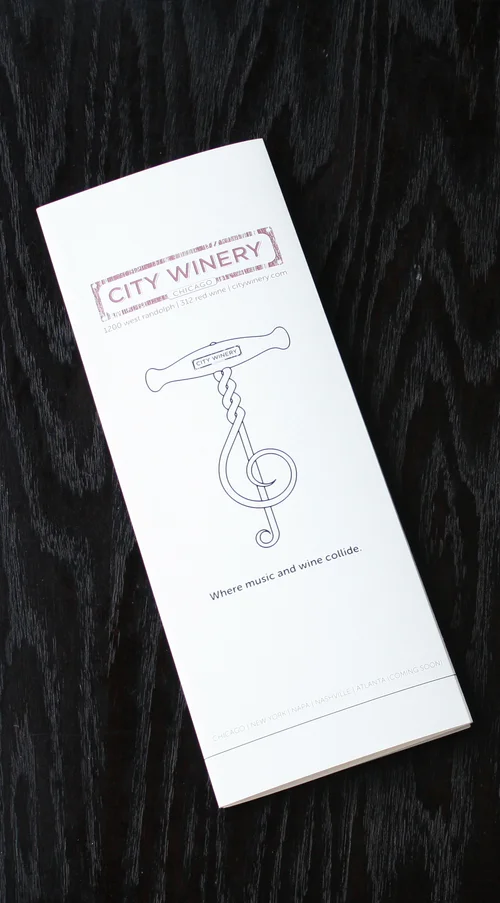
City Winery is a brand that values quality music, wine, food, a DIY aesthetic, and once-in-a-lifetime experiences. At the time of this project, there were only two City Winery locations, so the brand was still in an experimental phase.
Situation
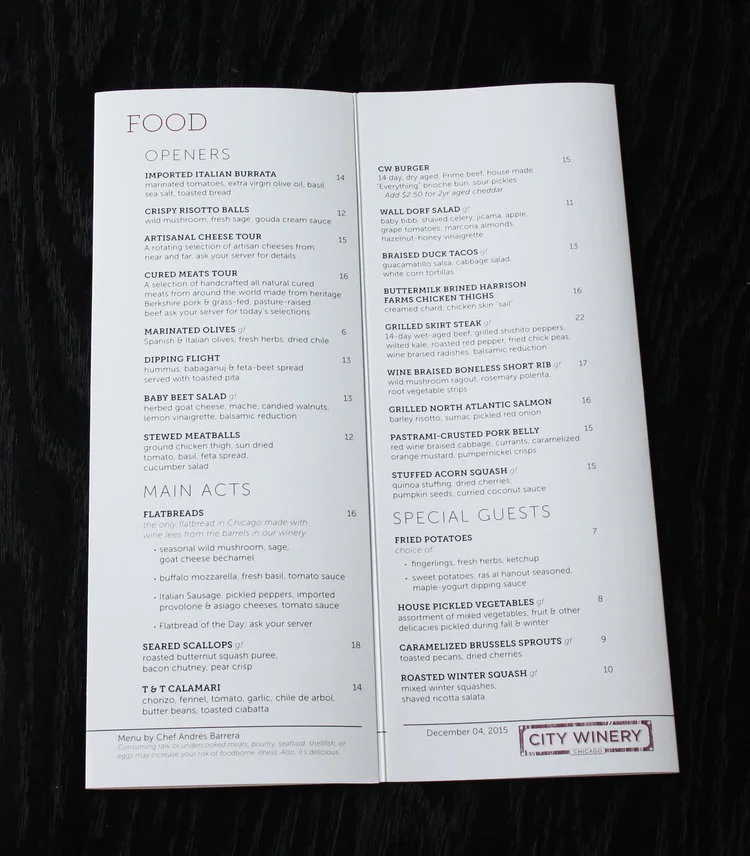
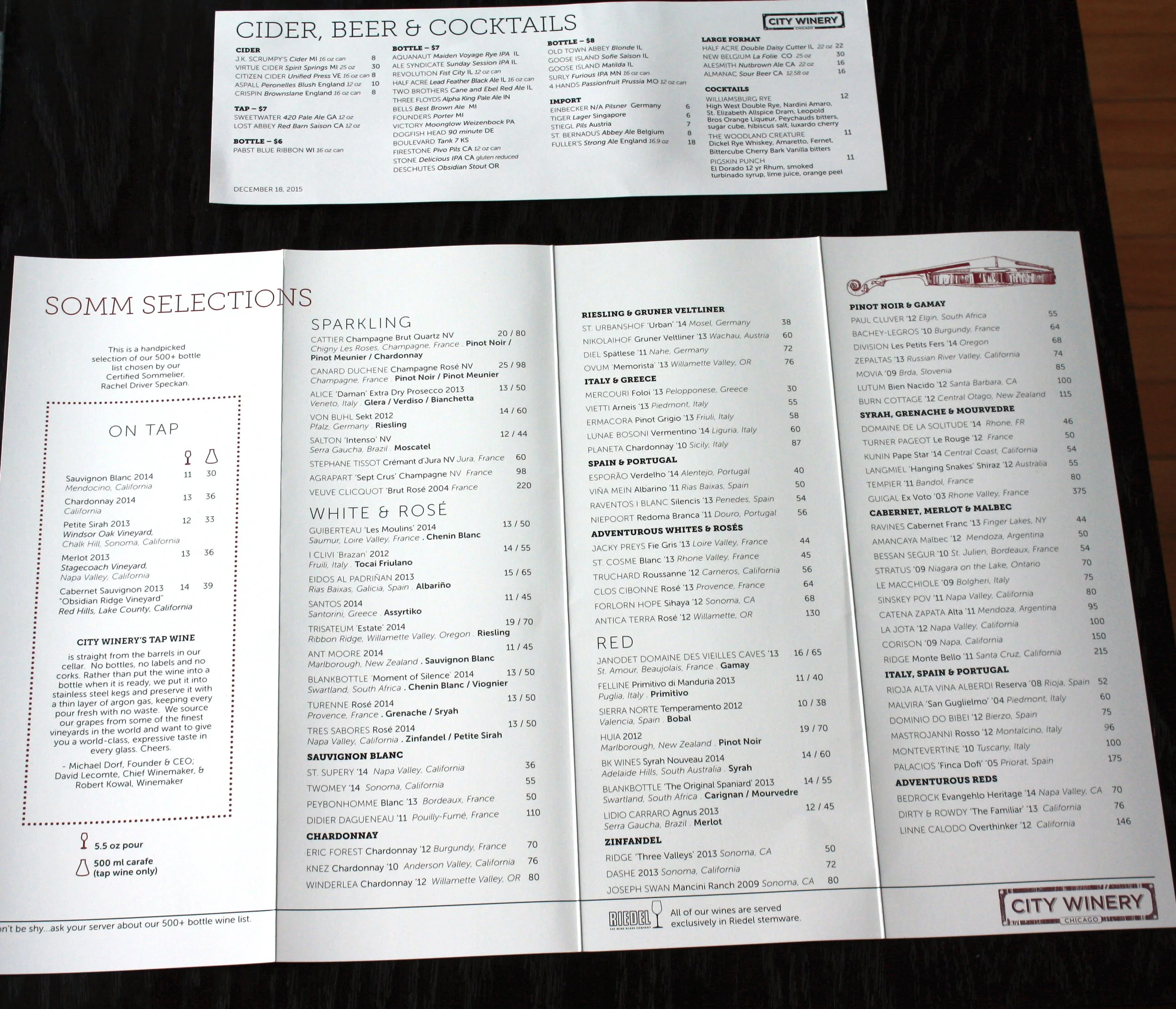
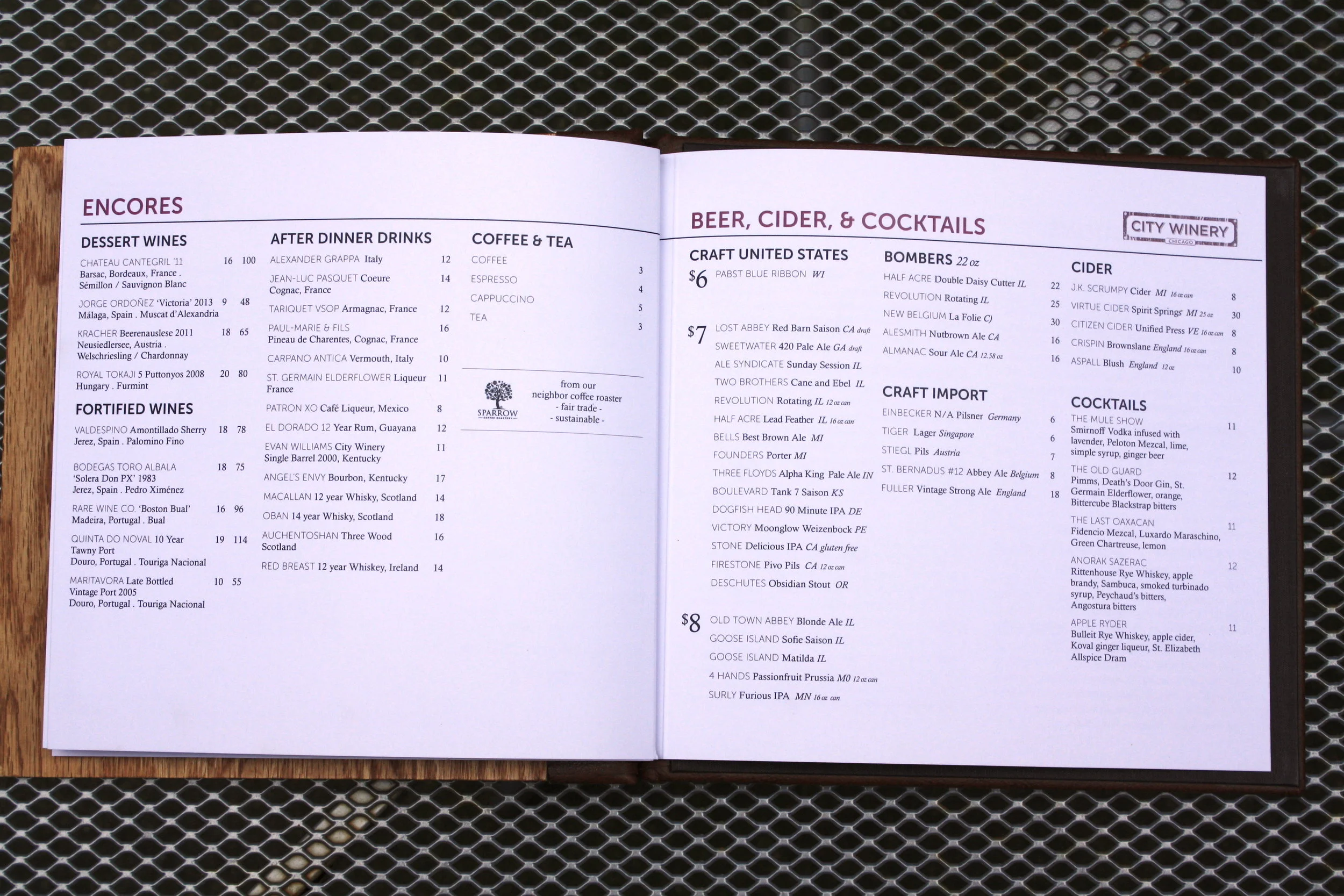
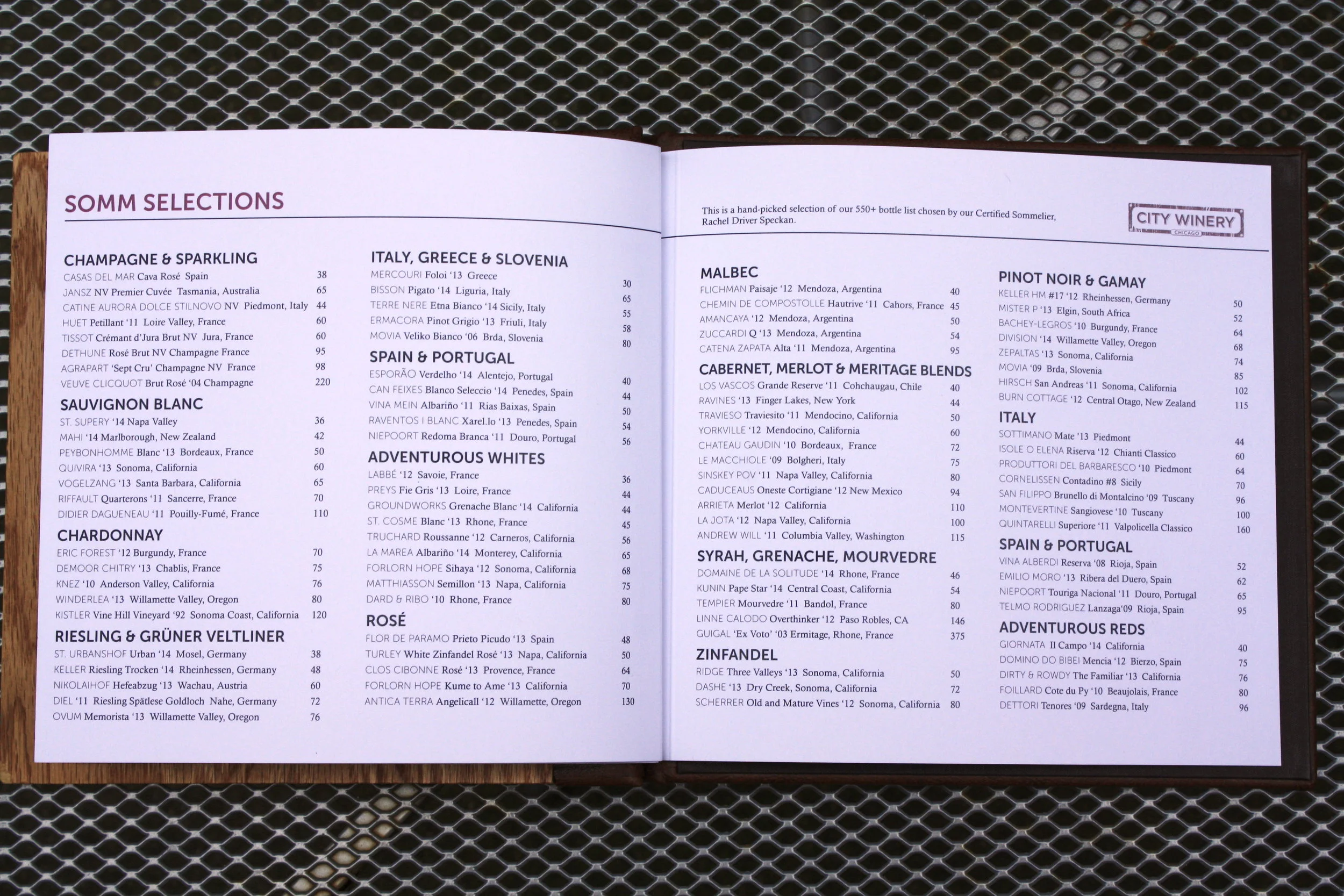
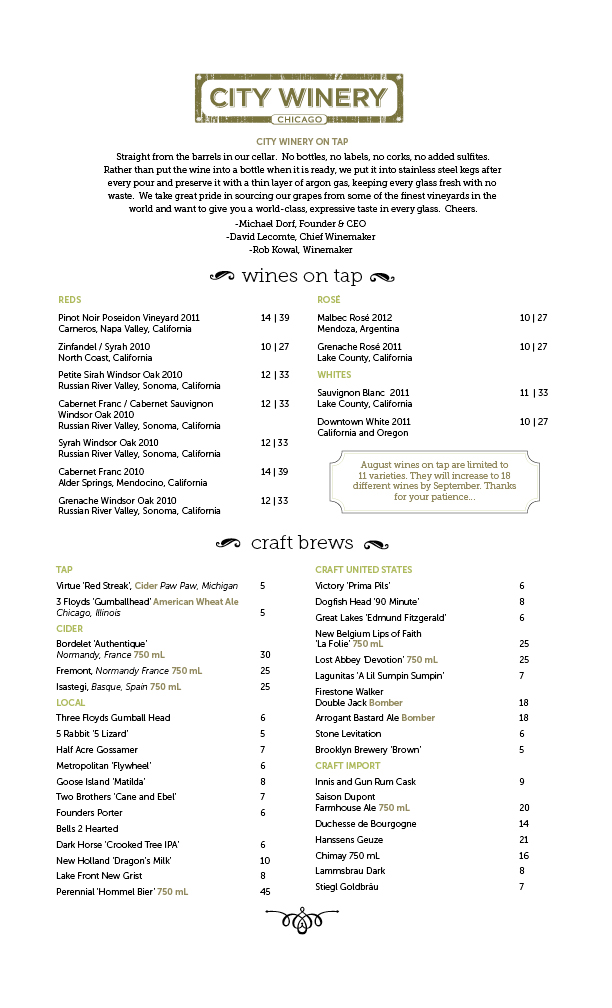
Make a system of menus for two different spaces, a concert venue and a restaurant, that features all of City Winery’s products. The menus must be accurate, cheap to print, and prominently feature a few key items like the CEO’s personal message, the tap wine, and a section called “somm selections."
Task
MUST INCLUDE:
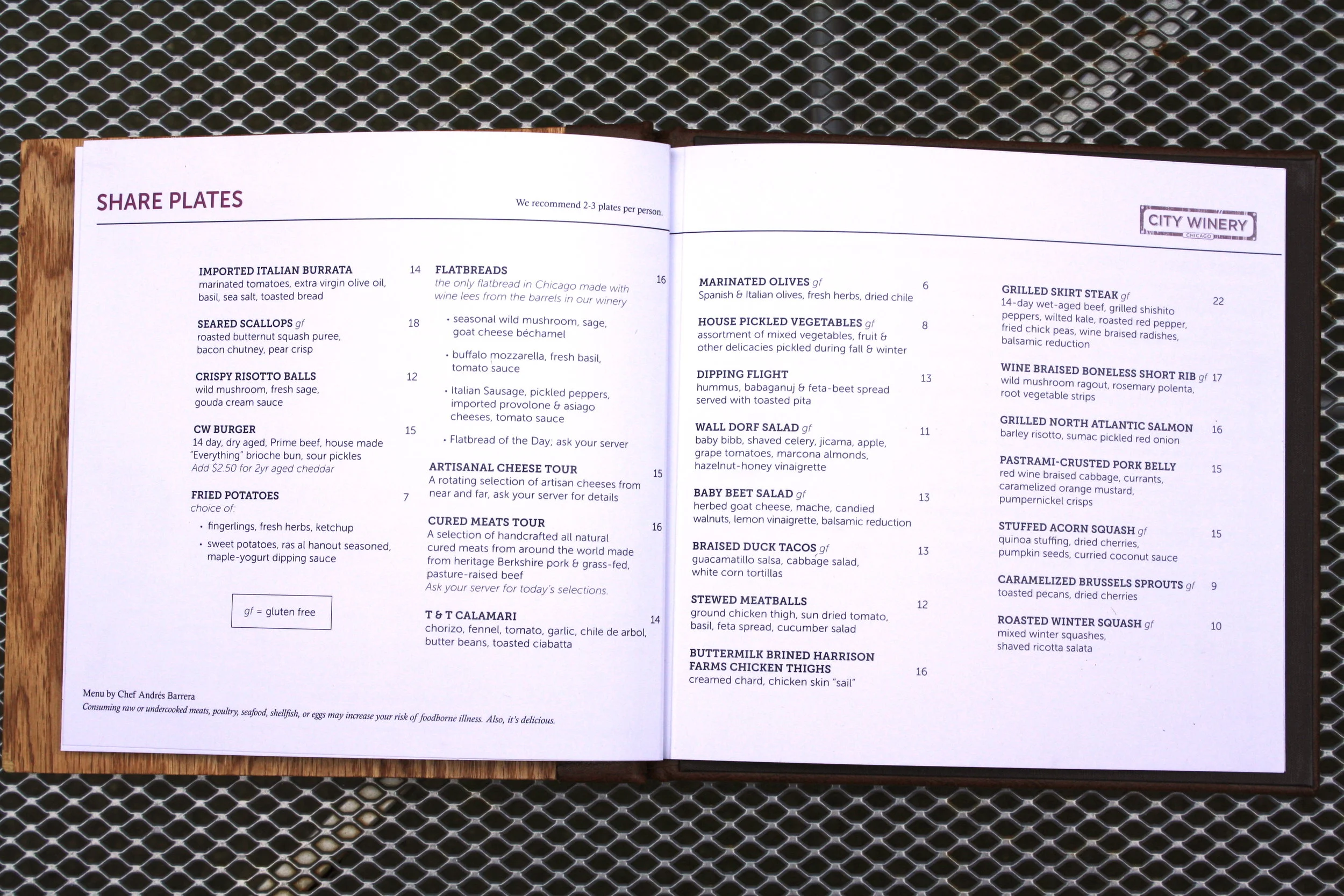
• a restaurant food menu with its own wines on tap
• a venue food menu (separate from restaurant menu) with its own wines on tap
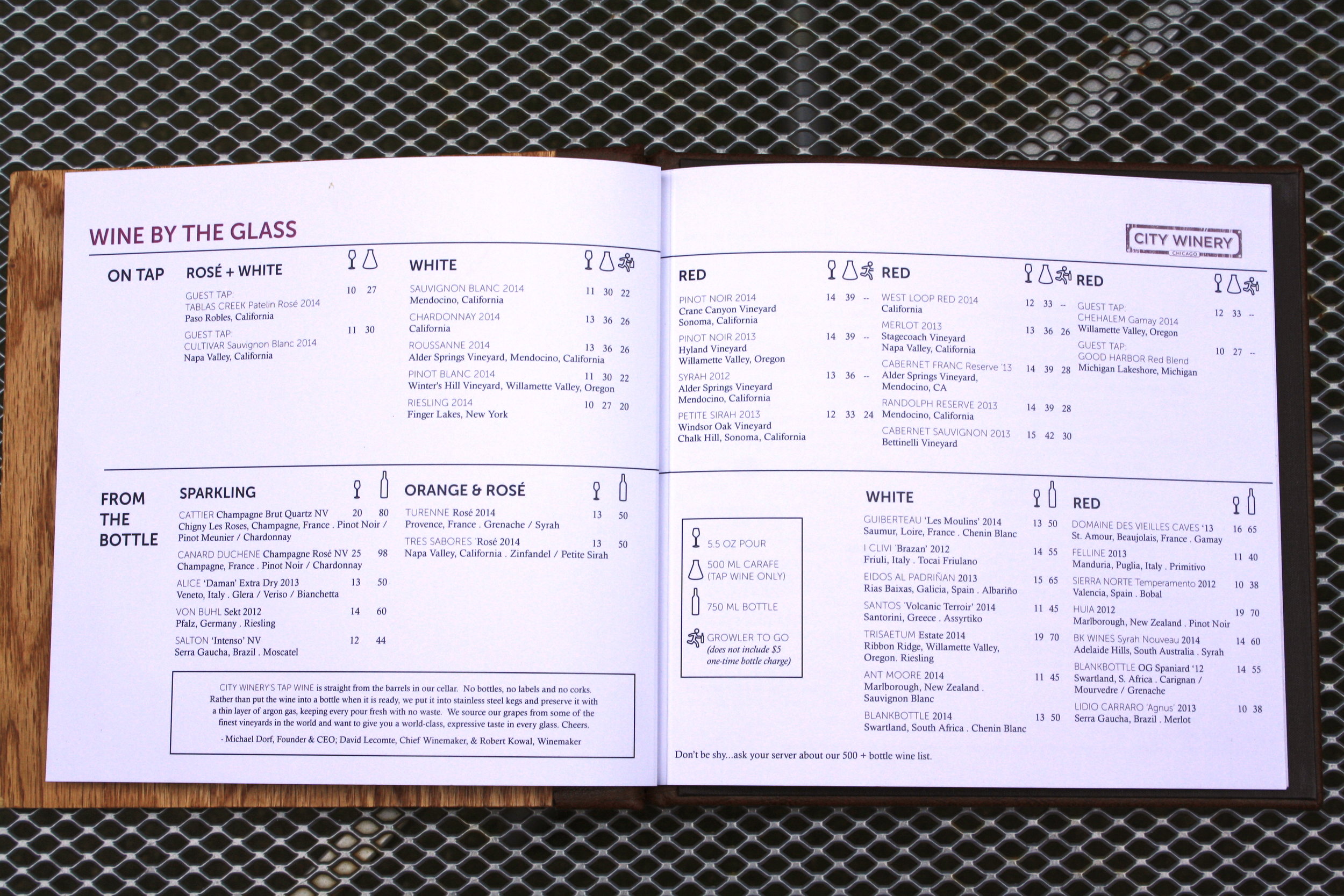
• an abridged wine list that features the most “drinkable” bottles, but also represents a wide swath of terroir, varietals, and tastes. This part is called “Somm Selections."
• an unabridged wine list that catalogs, in an easy-to-find manner, all 450+ bottles in the cellar.
• cocktail list
• beer list
• spirits list
• dessert, which is full-service in the restaurant, but limited in the venue.
• a coursed tasting menu
• a personal note from the CEO
Iteration 1
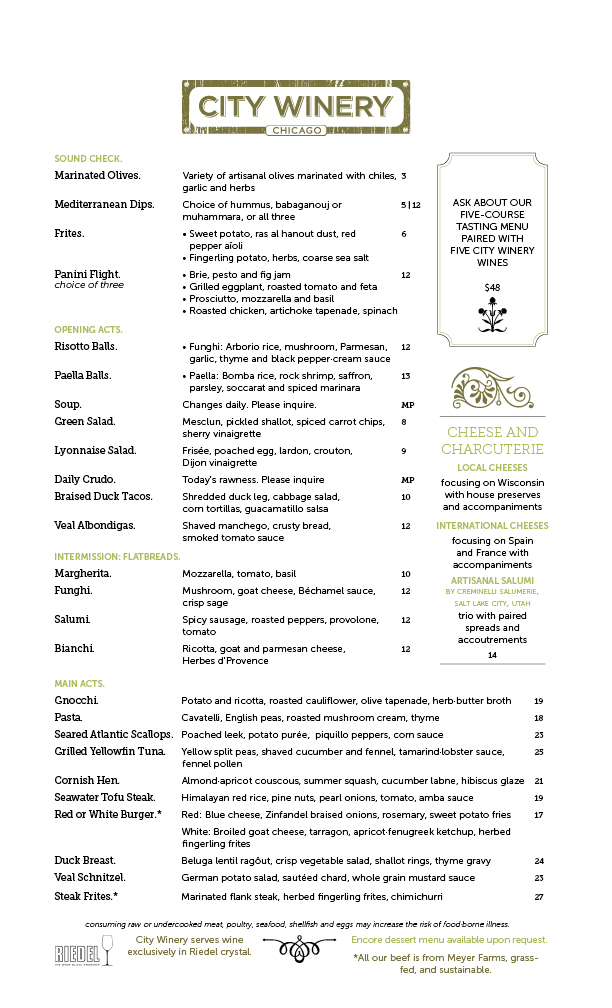
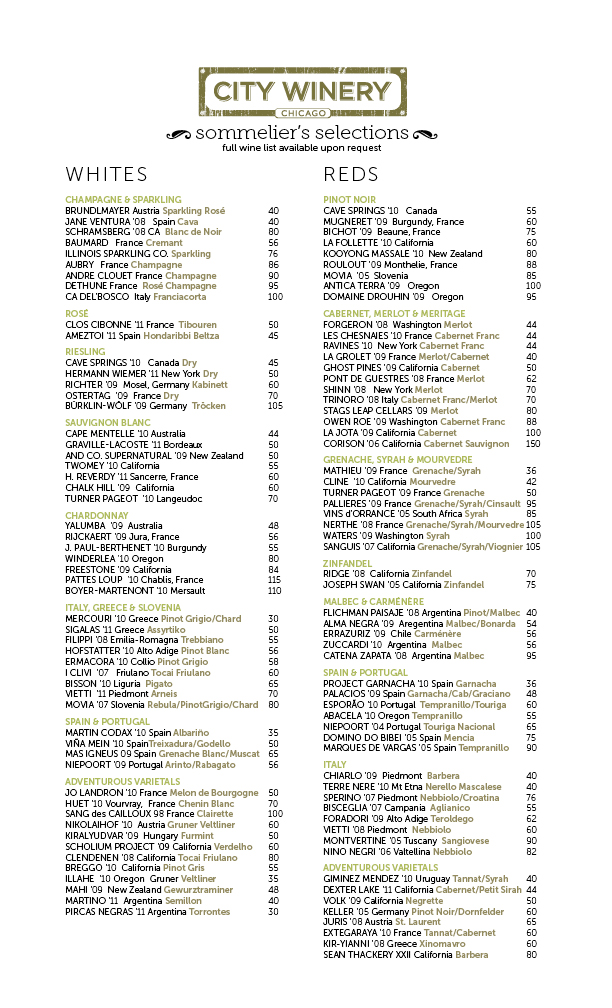
Data & Feedback
• Wines, beers, and ingredients changed frequently. The changes required frequent printing in large quantities, running up a high printing bill for City Winery.
• Changes were unpredictable.
• Guests had trouble distinguishing between the different wines: somm selections, tap, and by the glass.
• The coursed tasting menu was creating issues in the kitchen and couldn't be delivered properly.
• Guests were not ordering dessert often enough.
• Servers were confusing the restaurant menus with the concert venue menus, slowing down service and confusing guests.
• Huge quantities of menus were getting dirty and thrown away.
Iteration 2
OBJECTIVES:
• Create a weekly and monthly system that makes menu changes and printing cycles predictable for everyone involved.
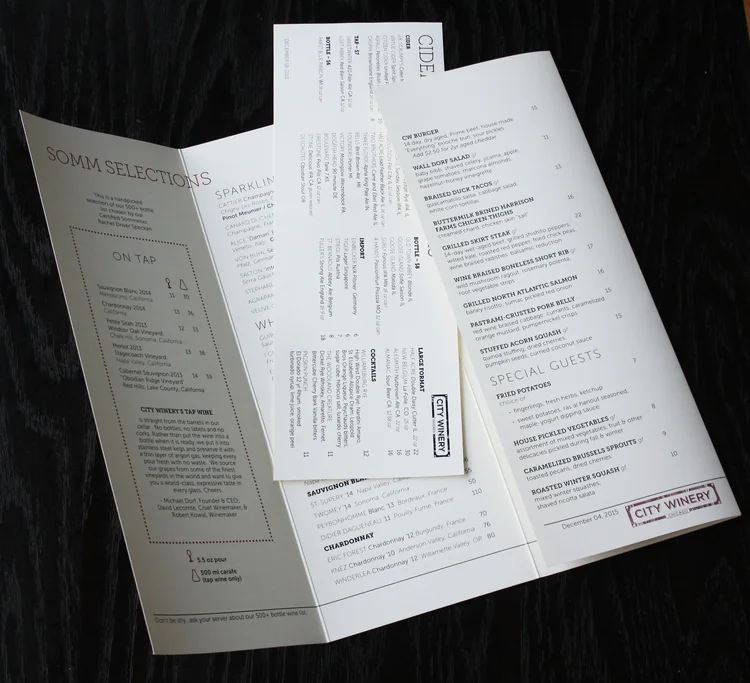
• Create a menu system that had some permanent parts and some changeable parts, to accommodate the ever-changing menu items (mostly beer and wine).
• Encourage guests to order dessert.
• Make menu changes predictable for the graphic designer and the wait staff.
• Make the menu easy for the servers to understand and explain.
• Make a menu that encourages PAIRING between wine and food items.
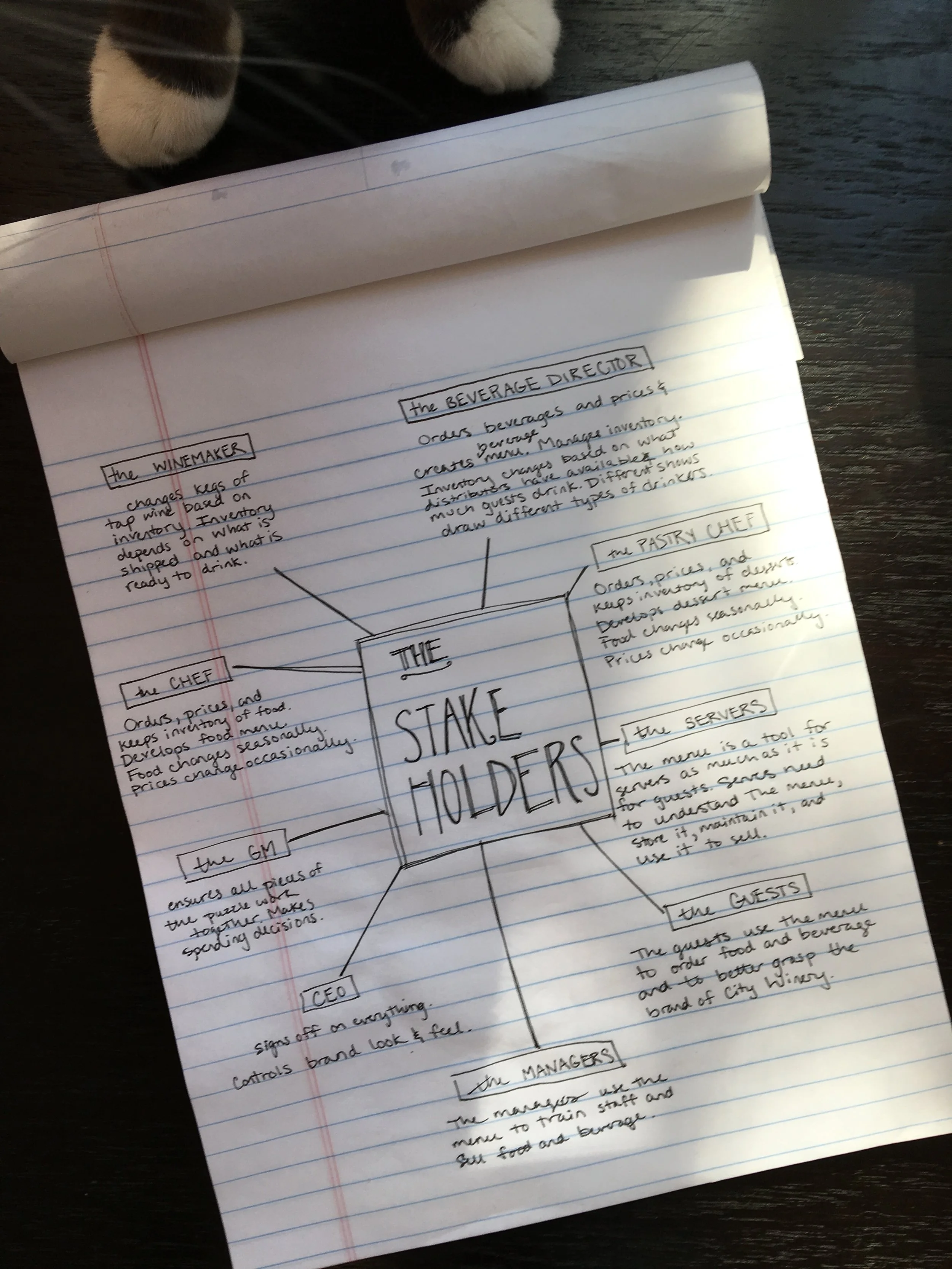
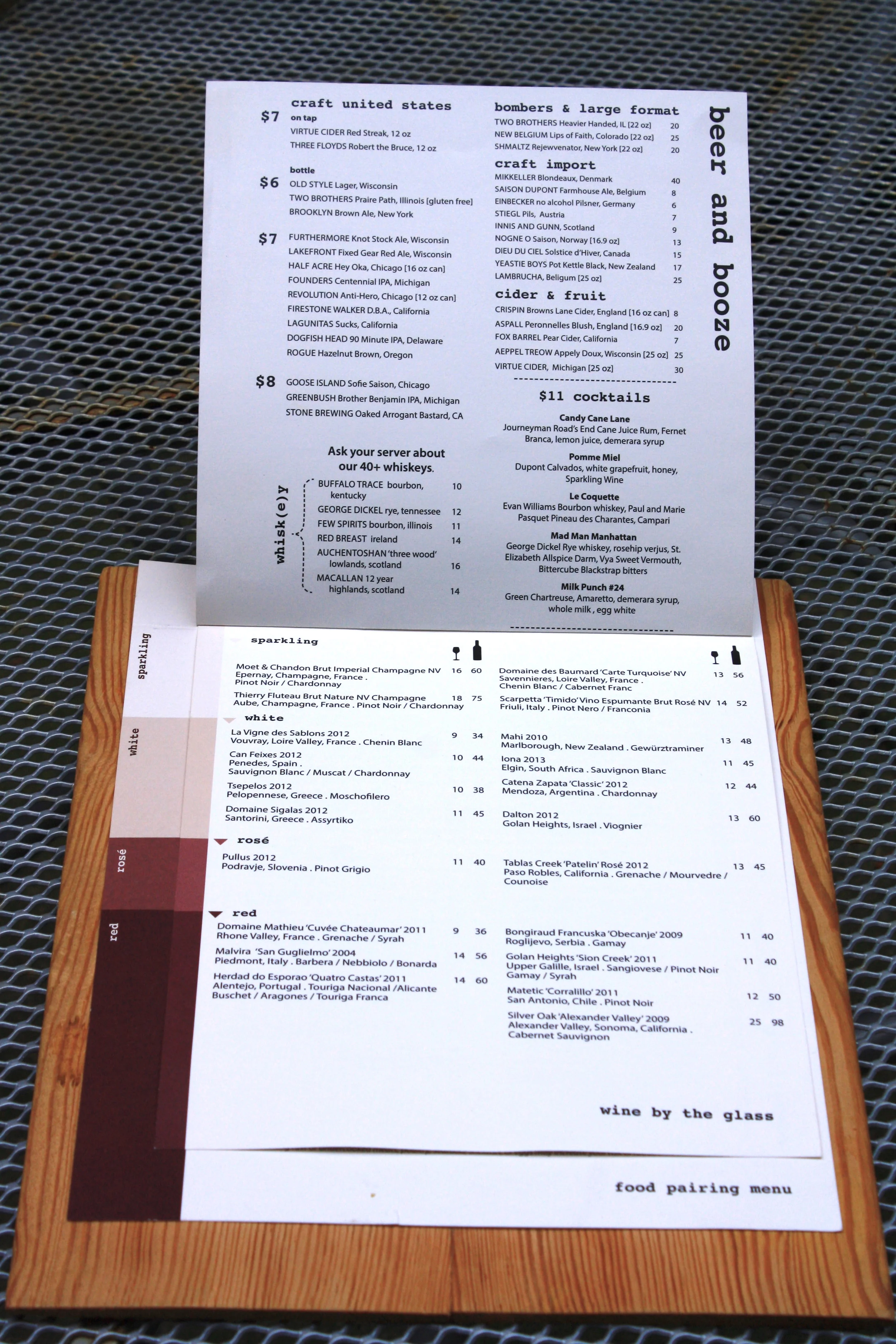
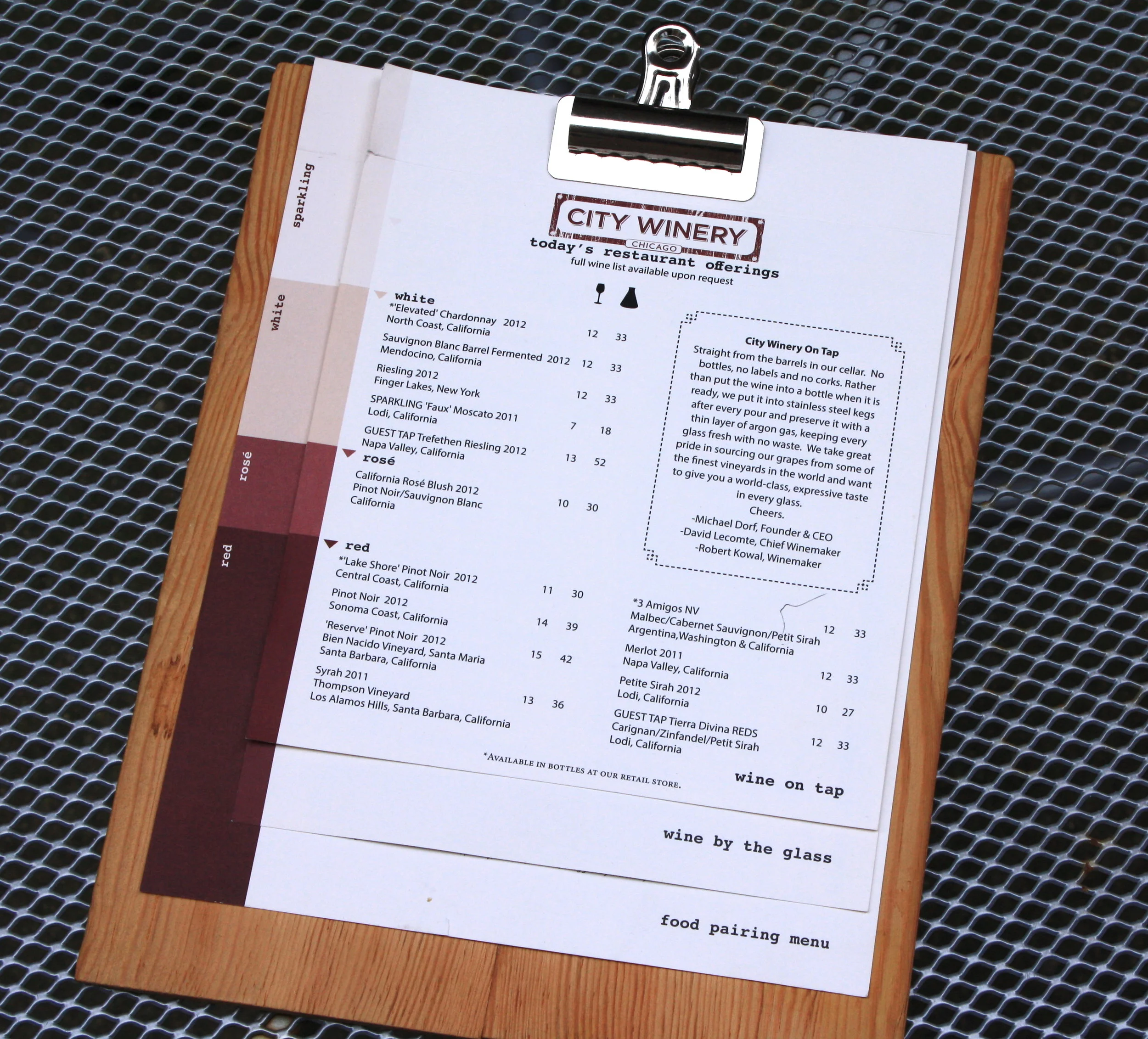
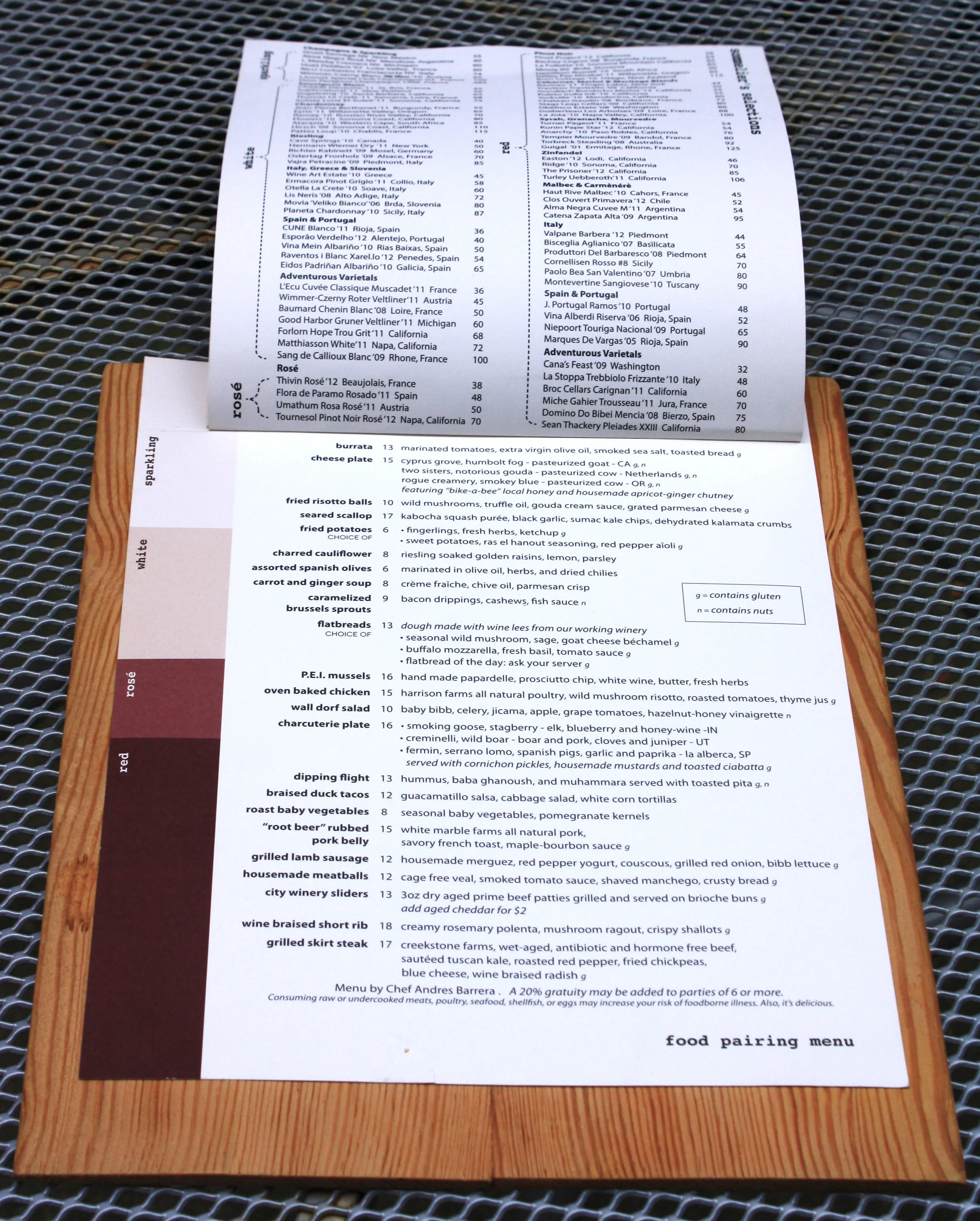
Data & Feedback
PROS
• Guests enjoyed the layers and pairing aspect.
• Printing costs were drastically reduced.
CONS
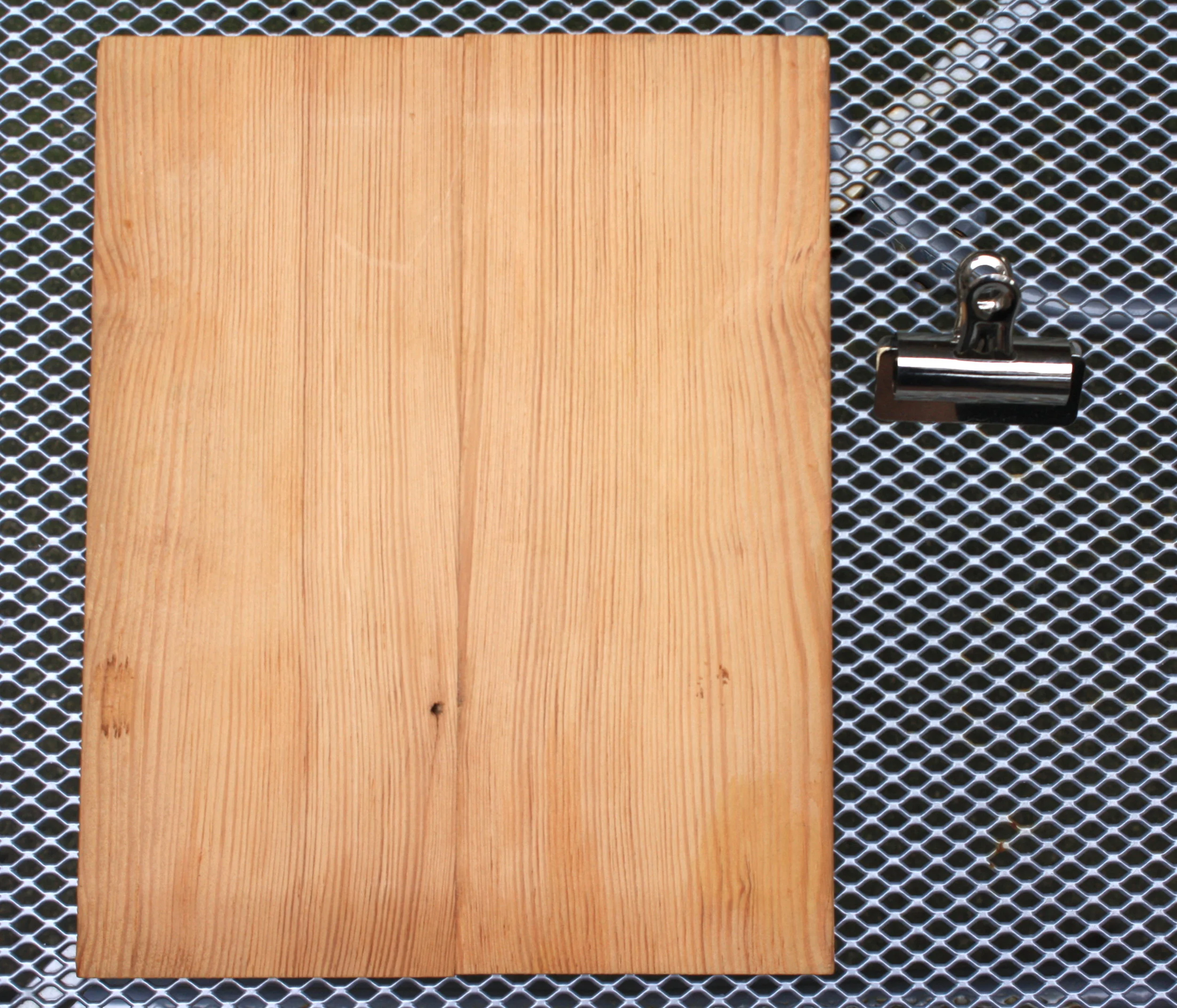
• Clipboards did not always fit on the small venue tables with all the glassware and food. As a result, guests often put them on chairs or on the floor, where they would break easily.
• Clipboards make a loud sound when dropped, and people drop things when they get drunk. Acoustic concerts were often very quiet, and the sound interrupted shows.
• Servers and hosts sometimes assembled the menus incorrectly, rendering the layer system useless.
• Menus were tricky to store because they were not stackable.
• Although printing costs were reduced drastically, menus were still getting damaged often and a lot of paper was being wasted.
• Putting food at the back of the menu made people wait longer to order food. In the concert hall, speed was of the essence and getting the bulk of the orders on the tables before the beginning of the show allowed service to run much more smoothly.
• Some guests would take apart the entire menu upon receiving it and then get confused.
• Some guests would hold the menu open over the burning candle on their table, lighting their menu on fire.
Results
A Two-Menu Solution
CONCERT MENU OBJECTIVES
• Encourage guests to order more bottled wine.
• Encourage guests to order food immediately upon being seated.
• Create a menu that doesn’t take up a lot of space on the table.
• Make something that isn’t noisy when dropped.
• Showcase City Winery’s unique tap wine program.
RESTAURANT MENU OBJECTIVES
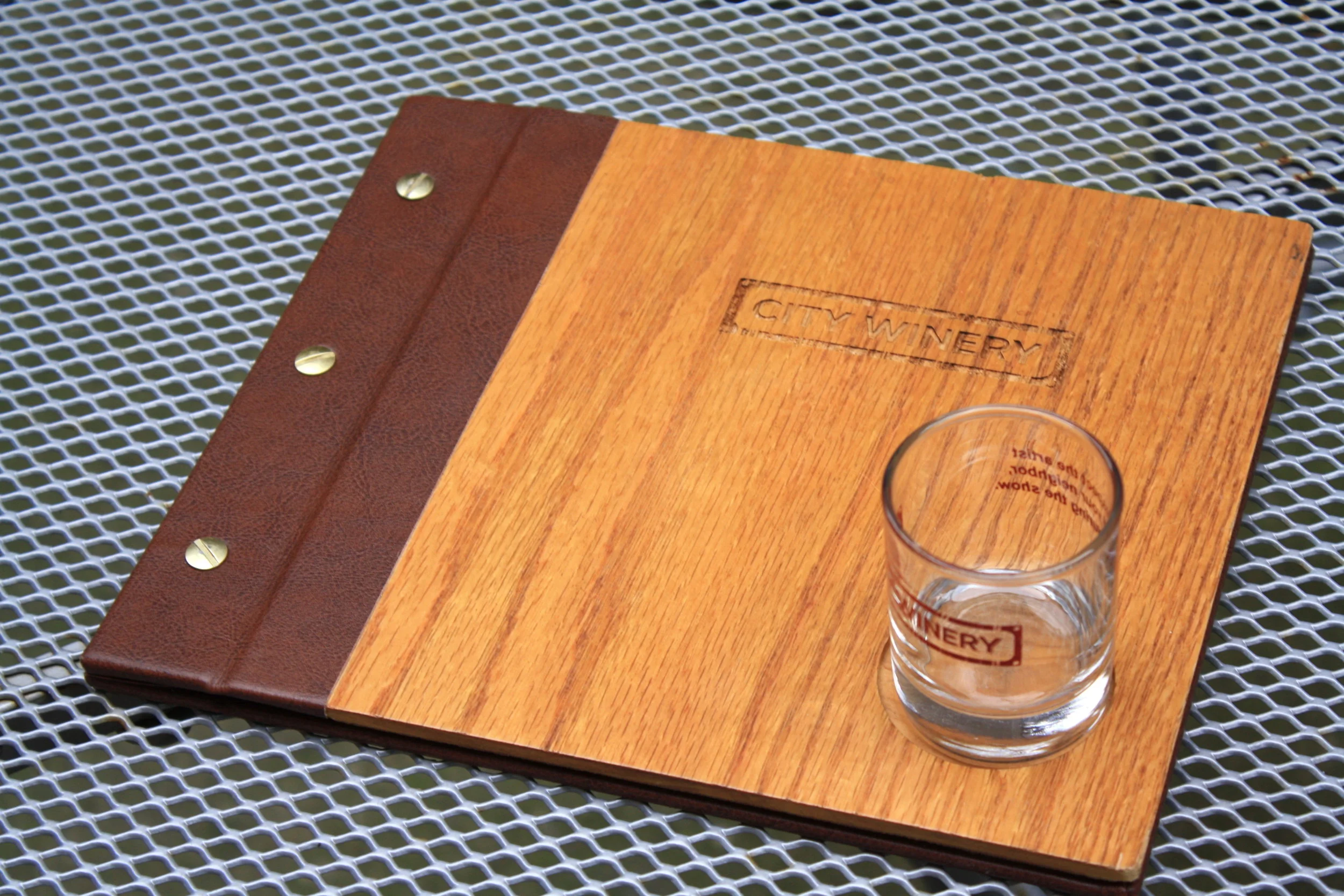
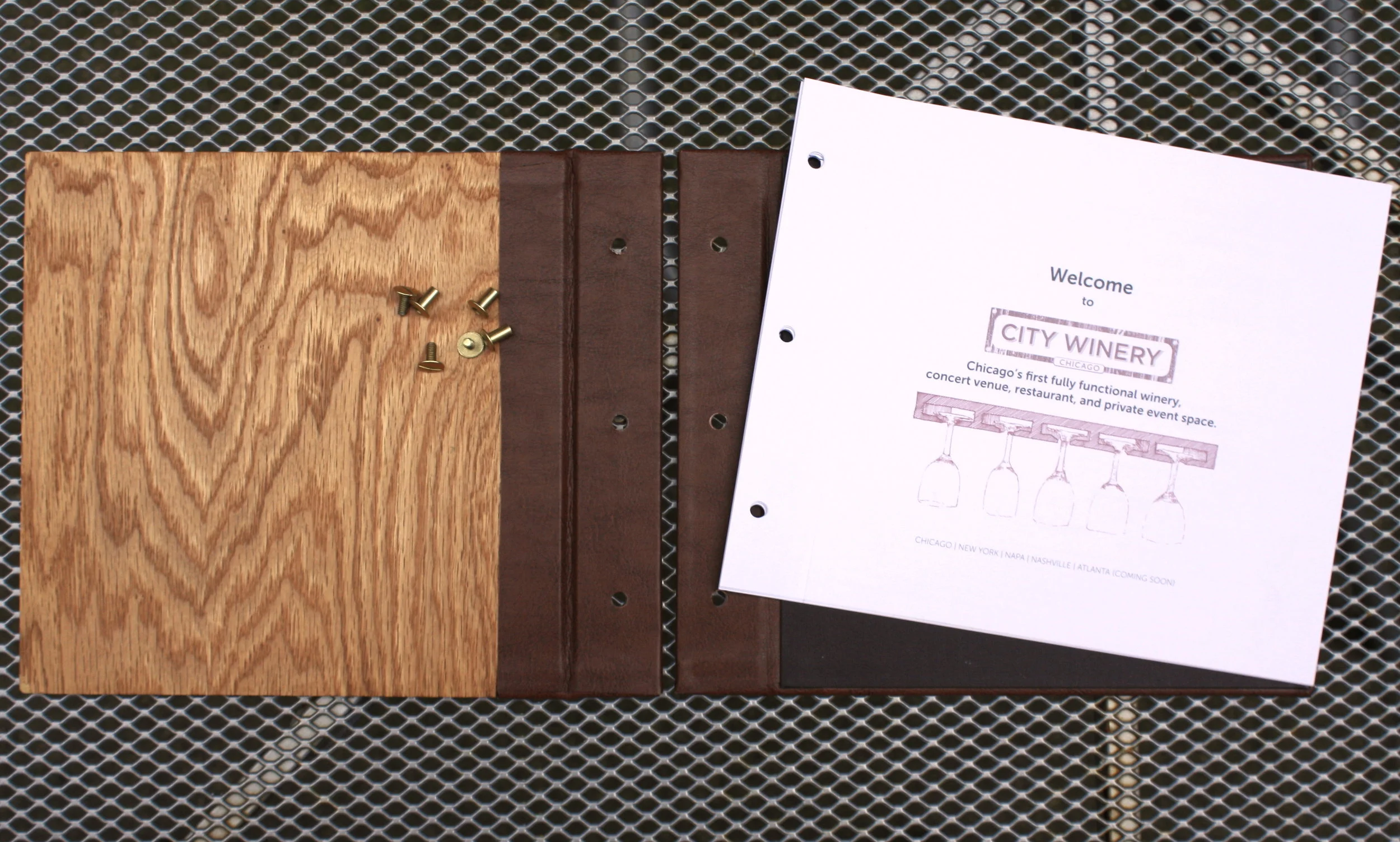
• Showcase the brand by making the menu interactive.
• Create something that can be used by all four City Winery locations nationally.
• Make something that isn’t noisy when dropped.
• Make something that’s easy for servers to put together and easy for guests to interact with and understand.